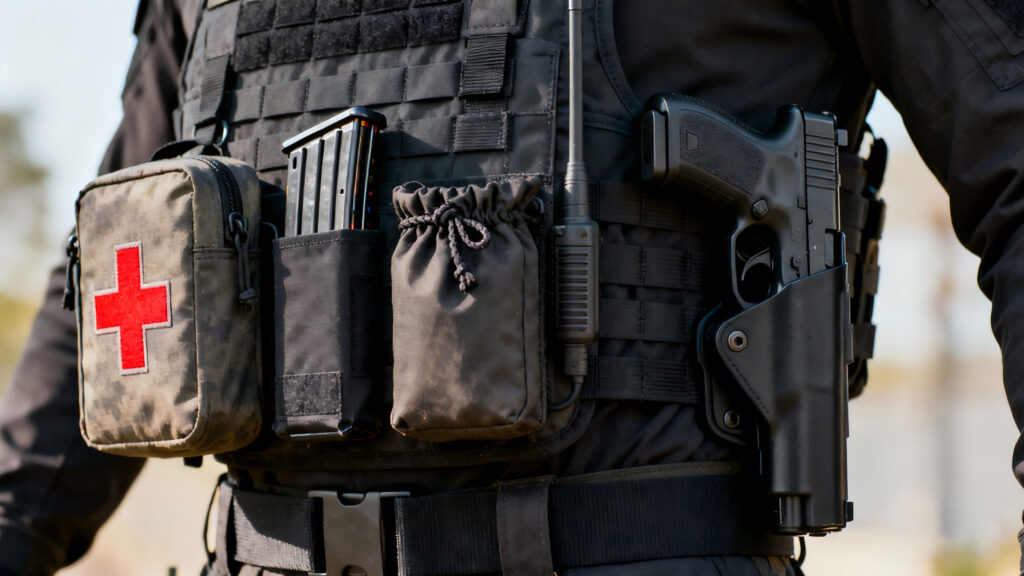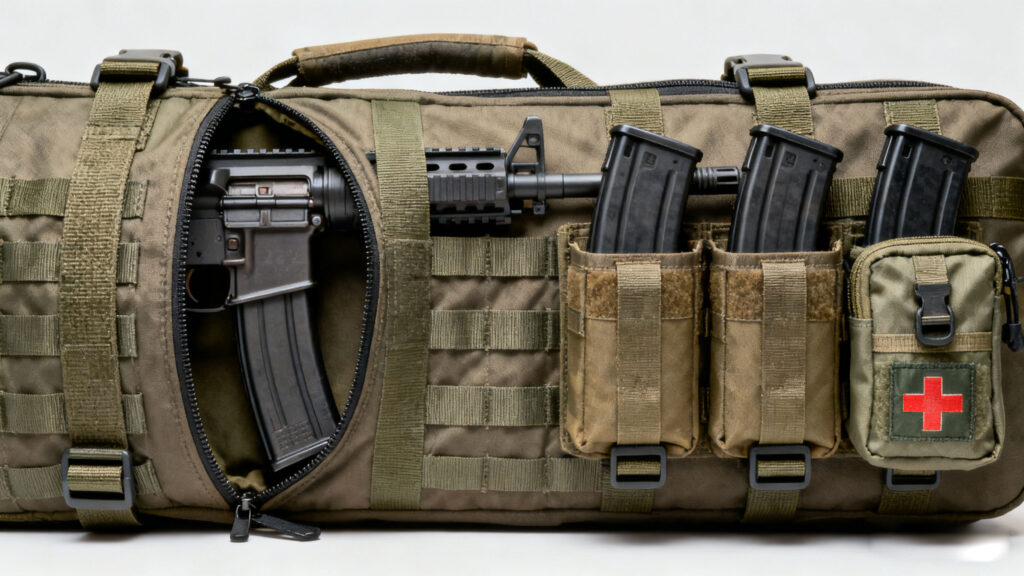
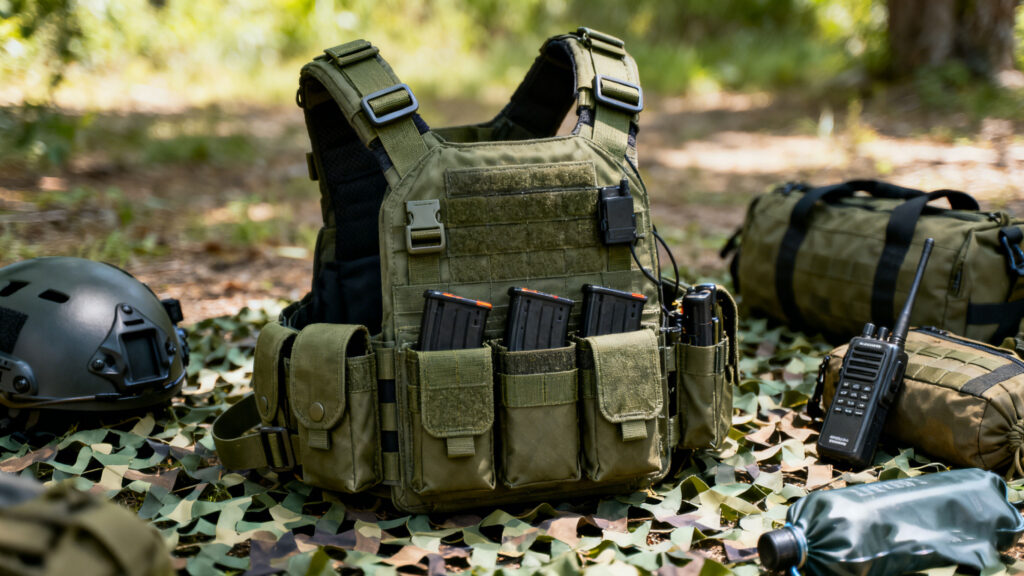
Whether you’re an outdoor adventurer, tactical professional, shooting sports enthusiast, or prepper, a high-quality tactical vest is more than just gear—it’s a reliable companion that keeps your essentials organized, accessible, and secure. But with countless options on the market, from modular designs to budget-friendly picks, finding the right one can feel overwhelming.
In this guide, we’ll break down the critical factors to consider when choosing a tactical vest, so you can make an informed decision that aligns with your needs, budget, and lifestyle.
1. Start with Your Core Purpose
The first step in choosing a tactical vest is defining how you’ll use it. Different use cases demand different features—here’s how to narrow it down:
- Outdoor Adventures (Hiking/Camping): Prioritize breathability, lightweight materials, and hydration bladder compatibility.
- Tactical Training/Law Enforcement: Opt for rugged durability, MOLLE compatibility, and load-bearing capacity for gear like holsters, mag pouches, and radios.
- Shooting Sports (Range Days/Competition): Look for quick-access pockets, adjustable fit, and minimal bulk for mobility.
- Prepping/Emergency Response: Focus on storage versatility, durability, and compatibility with survival gear (first-aid kits, flashlights, multitools).
Skipping this step often leads to buying a vest that’s either overkill (e.g., a heavy tactical vest for casual hiking) or insufficient (e.g., a lightweight model for heavy gear).
2. Prioritize Durable, Breathable Materials
Tactical vests are built to withstand wear and tear—so material quality is non-negotiable:
- Cordura Nylon: The gold standard for durability. Resistant to abrasion, tears, and water, it’s ideal for heavy use (law enforcement, rugged outdoor trips).
- 600D/1000D Nylon: A more affordable alternative. 1000D offers maximum durability, while 600D balances strength and lightweight comfort.
- Polyester Blends: Great for breathability, but less durable than nylon—best for casual use or warm climates.
- Breathability Features: Look for mesh liners, vented back panels, or moisture-wicking fabrics to avoid overheating during long wears.
Avoid cheap cotton or thin synthetic blends—they’ll tear easily and fail to protect your gear.
3. Ensure a Perfect Fit (It’s Make-or-Break)
A poorly fitting tactical vest is uncomfortable, restrictive, and dangerous. Follow these fit guidelines:
- Measure First: Take your chest, waist, and shoulder measurements. Most vests are adjustable, but start with a size that aligns with your base measurements.
- Adjustability: Look for Velcro or buckle adjustments on the shoulders, waist, and sides. A good vest should fit snugly without restricting movement (you should be able to raise your arms, bend, and walk comfortably).
- Weight Distribution: The vest should distribute weight evenly across your shoulders and torso—avoid models that pull down or dig into your shoulders.
Pro tip: Try the vest on with the gear you’ll typically carry (e.g., mags, pouches) to test fit and mobility.
4. Opt for Modular Design (MOLLE Compatibility)
Modularity is key for customization—especially if your needs change over time. Look for:
- MOLLE System: Short for Modular Lightweight Load-carrying Equipment, MOLLE webbing (rows of stitched nylon loops) lets you attach pouches, holsters, hydration carriers, and other accessories. This means you can tailor the vest to your specific gear instead of being limited to built-in pockets.
- Pouch Versatility: Ensure the MOLLE webbing is properly stitched (double or triple stitching) to handle the weight of your accessories. Most reputable brands (e.g., 5.11 Tactical, Condor Outdoo,Tiexuebingr) offer MOLLE-compatible pouches.
Even if you don’t need extra pouches now, MOLLE compatibility future-proofs your vest.
5. Evaluate Load-Bearing Capacity
How much weight will you carry? A vest’s load-bearing capacity depends on:
- Stitching Quality: Double or triple stitching on stress points (shoulders, waist, MOLLE webbing) indicates durability.
- Frame Support: Some heavy-duty vests have internal frames or reinforced shoulders to handle 20+ pounds of gear (ideal for law enforcement or military use).
- Avoid Overloading: Even the strongest vest has limits—overloading can cause discomfort or damage. Choose a vest rated for your typical gear weight.
6. Don’t Overlook Key Features
Depending on your use case, these features can make a big difference:
- Quick-Release System: Critical for emergencies—look for a pull-tab or buckle that lets you remove the vest in seconds.
- Hydration Compatibility: A built-in hydration bladder pocket (with a tube port) is a must for long outdoor trips or training sessions.
- Pocket Design: Built-in pockets should be easily accessible—chest pockets for small items (phones, flashlights) and waist pockets for larger gear.
- Shoulder Pads: Thick, padded shoulders reduce pressure from heavy gear and improve comfort during extended wear.
- Weather Resistance: Water-resistant or waterproof coatings are useful for outdoor use, but avoid fully waterproof vests if breathability is a priority.
7. Set a Realistic Budget
Tactical vests range from
50to500+. Here’s how to budget:
- Budget (50–150): Great for beginners, casual outdoor use, or occasional range days. Look for 600D nylon, basic MOLLE webbing, and essential features.
- Mid-Range (150–300): Balances durability and features. Expect 1000D Cordura, reinforced stitching, and advanced adjustability (ideal for regular training or outdoor enthusiasts).
- High-End ($300+): Designed for professionals (law enforcement, military). Offer premium materials, advanced load-bearing systems, and custom fit options.
Avoid the cheapest models (under $50)—they’re often poorly made and won’t last. Invest in the best you can afford for safety and longevity.
Common Mistakes to Avoid
- Choosing Based on Looks: A sleek vest means nothing if it’s uncomfortable or incompatible with your gear. Prioritize function over style.
- Ignoring Breathability: Overlooking mesh liners or venting will lead to overheating—especially in warm climates.
- Buying Too Big/Small: A vest that’s too loose shifts around; one that’s too tight restricts movement. Always measure and test fit.
- Overlooking Brand Reputation: Stick to trusted brands with positive reviews (e.g., 5.11 Tactical, Condor, Blackhawk!). Cheap, no-name vests often cut corners on safety and durability.
Final Thoughts
Choosing a tactical vest boils down to three core principles: purpose, fit, and durability. By defining how you’ll use it, prioritizing quality materials and adjustability, and avoiding common mistakes, you’ll find a vest that serves you well for years.
Remember: The best tactical vest isn’t the most expensive or feature-packed—it’s the one that aligns perfectly with your needs. Take your time, do your research, and don’t hesitate to test before buying.
Happy shopping—and stay prepared!