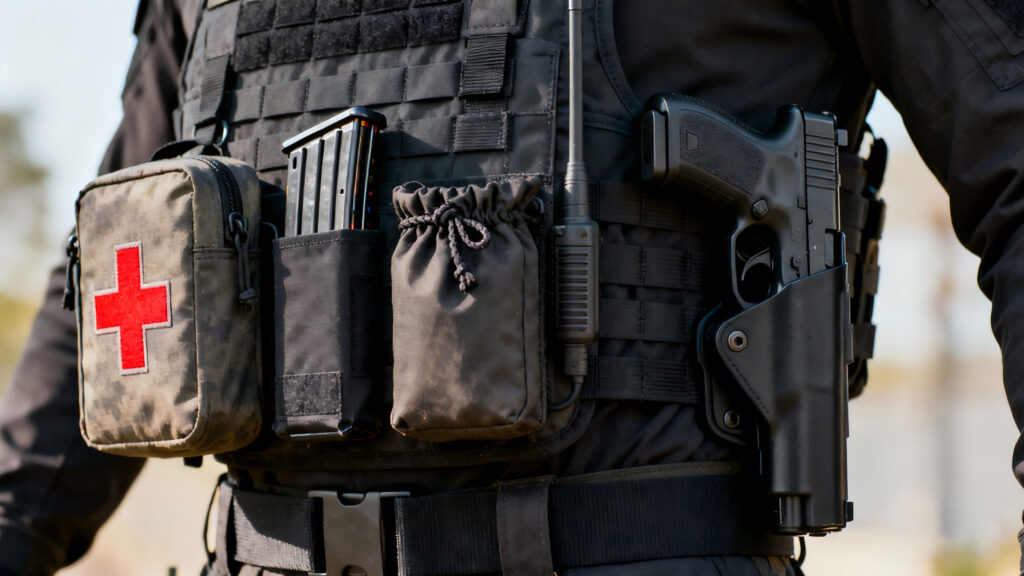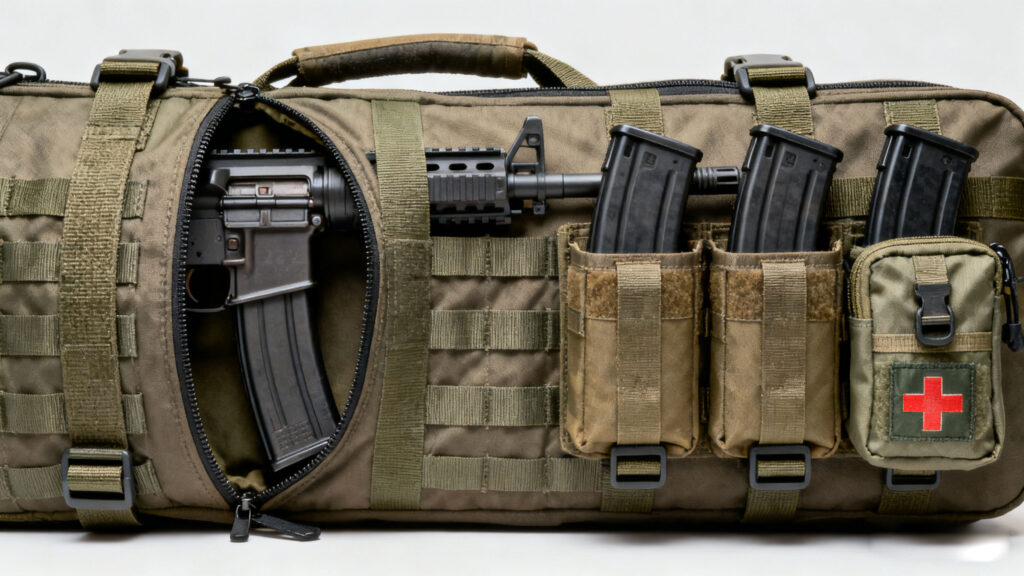
A tactical belt is more than just a way to hold up your pants—it’s a critical piece of gear that supports your load, organizes essentials, and enhances mobility. Whether you’re training at the range, hiking through rugged terrain, on duty (law enforcement/military), or prepping for emergencies, the right tactical belt keeps your gear secure, accessible, and comfortable.
At Tiexuebing, we craft tactical belts built for real-world performance—so we’re breaking down the key factors to help you select a belt that balances strength, adjustability, and utility. Let’s dive in.
1. Define Your Core Use Case (The Foundation of Your Choice)
Tactical belts are designed for specific tasks—start by clarifying how you’ll use it to avoid overbuying or settling for an inadequate option:
- Everyday Carry (EDC): Opt for a low-profile, 1.5–1.75” wide belt. Prioritize comfort, discreet design, and compatibility with EDC gear (holsters, phone pouches, multitool holders).
- Shooting Sports/Range Days: Choose a 1.75–2” belt with rigid core support. Look for quick-adjustment features and MOLLE webbing to attach mag pouches or holsters.
- Tactical Training/Military/Law Enforcement: Go for a 2” heavy-duty belt with reinforced load-bearing capacity. Prioritize quick-release buckles, MOLLE compatibility, and durability for heavy gear (radios, duty pouches, ballistic panels).
- Outdoor Adventures (Hiking/Camping): Select a 1.5–1.75” belt with lightweight, breathable materials. Look for utility loops or MOLLE webbing to attach gear like carabiners, flashlights, or first-aid kits.
- Emergency Preparedness (Prepping): Choose a 2” belt with modular storage and strong load-bearing. It should support survival gear (knives, tourniquets, water filters) without sagging.
Pro tip: Avoid a bulky, heavy-duty belt for EDC (it’ll be uncomfortable) or a thin belt for tactical training (it’ll bend under the weight of holsters/mags).
2. Prioritize Durable Materials & Construction
Tactical belts need to withstand tension, abrasion, and heavy loads—material quality is non-negotiable. Here’s what to look for:
- Belt Material:
- Nylon Webbing: The industry standard. Look for 1000D Cordura or 600D nylon—both are abrasion-resistant, tear-proof, and water-resistant. 1000D is ideal for heavy use (military/duty), while 600D balances strength and comfort (EDC/outdoor).
- Polyester Blends: More affordable and lightweight, but less durable than nylon—best for casual EDC or light use.
- Leather: Offers a classic look, but is heavier, less water-resistant, and requires more maintenance. Suitable for EDC or range use (not recommended for wet conditions).
- Core Support:
- Rigid Core: Critical for load-bearing (e.g., holsters, mag pouches). Look for belts with a polymer or stiffened nylon core—they won’t bend or sag under weight.
- Flexible Core: Better for EDC or casual use—offers comfort without sacrificing basic support.
- Stitching & Hardware:
- Double or triple stitching on stress points (buckle, loops) ensures durability.
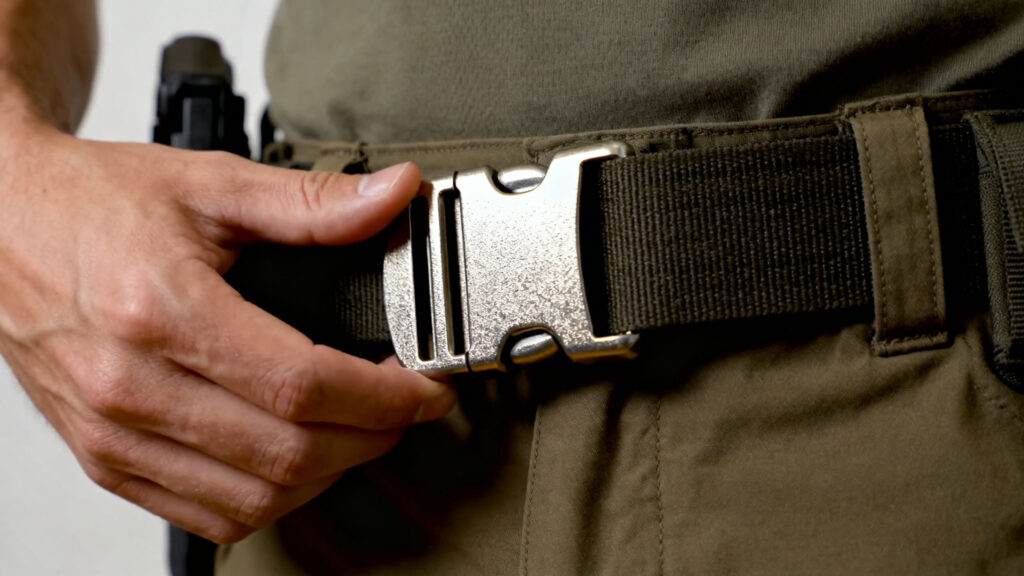
- Metal buckles (aluminum or steel) are stronger than plastic—look for quick-release buckles for tactical use (easy to remove in emergencies).
- YKK or heavy-duty zippers (if the belt has pouches) prevent jamming.
Avoid cheap, thin webbing or plastic buckles—they’ll break under pressure (e.g., when carrying a holster or heavy gear).
3. Ensure the Right Fit & Adjustability
A poorly fitting tactical belt is uncomfortable and ineffective. Follow these guidelines:
- Measure Correctly: Use a tape measure to measure your waist (at the level where you’ll wear the belt, over clothing if you plan to layer). Most tactical belts are adjustable, but start with a size that fits your base measurement.
- Adjustability Features:
- Velcro Adjustment: Offers micro-adjustments for a snug fit—ideal for tactical training or EDC (you can tighten/loosen quickly).
- Buckle Adjustment: Quick-release buckles with multiple sizing holes allow fast adjustments (great for duty use or when layers change).
- Length: Ensure the belt is long enough to fit over clothing (e.g., tactical pants, jackets) with 2–4 inches of excess length (to tuck or attach pouches).
- Comfort: The belt should fit snugly without digging into your waist. Look for padded or breathable webbing if you’ll wear it for long hours.
Pro tip: Test the belt with your gear (e.g., holster, mag pouch) to ensure it stays in place and doesn’t shift during movement.
4. Modularity: MOLLE Webbing & Compatibility
Tactical gear thrives on customization—and MOLLE (Modular Lightweight Load-carrying Equipment) webbing is a game-changer for tactical belts:
- MOLLE Compatibility: Look for belts with MOLLE webbing (rows of stitched loops) on the outer layer. This lets you attach pouches, holsters, radio holders, or utility bags to tailor the belt to your needs.
- Pouch Compatibility: Ensure the belt width (1.5–2”) matches your MOLLE pouches—most standard tactical pouches fit 1.75–2” belts.
- Inner/Outer Belt Systems: Some tactical belts come with a two-piece design:
- Inner Belt: Worn through your pant loops for comfort and stability.
- Outer Belt: Attaches to the inner belt via Velcro, offering extra support for MOLLE pouches and heavy gear (ideal for duty use or tactical training).
Even if you don’t need extra pouches now, MOLLE compatibility future-proofs your belt—you can add gear as your needs change.
5. Evaluate Key Features for Practicality
Beyond the basics, these features elevate a tactical belt from “good” to “great”:
- Quick-Release Buckle: Critical for emergencies (e.g., if the belt gets caught) or quick gear changes. Look for a durable, easy-to-pull buckle (metal is preferred over plastic).
- Padded Waistband: Reduces pressure from heavy gear—ideal for long wears (e.g., all-day training or hiking).
- Utility Loops: Small loops along the belt for attaching carabiners, flashlights, or knives (great for EDC or outdoor use).
- Water Resistance: A PU coating on nylon webbing keeps the belt dry in rain or wet conditions—essential for outdoor or tactical use.
- Discreet Design: For EDC, choose a belt with minimal branding and neutral colors (black, coyote brown, olive drab) to blend in with everyday clothing.
6. Set a Realistic Budget (What You Get for Your Money)
Tactical belts range from 30 to 200+. Here’s how to budget wisely:
- Budget ( 70): Great for beginners, casual EDC, or light use. Expect 600D nylon, basic adjustability, and minimal MOLLE webbing. Brands like Condor Outdoor or Tacticon offer solid options here.
- Mid-Range ( 120): The sweet spot for most users. Features 1000D Cordura, rigid core support, MOLLE compatibility, and quick-release buckles. Perfect for regular range use, outdoor adventures, or EDC with gear.
- High-End ($120+): Designed for professionals (military, law enforcement) or serious enthusiasts. Offers premium materials (e.g., 1000D Cordura with waterproof coatings), reinforced stitching, inner/outer belt systems, and custom fit options. Brands like 5.11 Tactical, Blackhawk!, or Tiexuebing’s premium line fall here.
Invest in quality— a high-end tactical belt will last 5–10 years, while a cheap one may sag or tear after a few months of use.
7. Common Mistakes to Avoid
- Choosing the Wrong Width: A 2” belt is overkill for EDC (bulky), while a 1.5” belt can’t support heavy gear (e.g., holsters). Match width to your use case.
- Ignoring Core Support: A belt without a rigid core will bend under weight—rendering it useless for carrying holsters or mag pouches.
- Sacrificing Comfort for Durability: A heavy-duty belt is great for tactical use, but if it digs into your waist, you’ll avoid wearing it. Prioritize a balance of strength and comfort.
- Overlooking Adjustability: Layers change (e.g., winter jackets vs. summer shirts)—a belt with limited adjustability will be too tight or loose.
- Buying Based on Looks: A sleek belt means nothing if it can’t support your gear. Prioritize function over style.
Final Thoughts: Choose a Belt That Works for You
The best tactical belt isn’t the most expensive or feature-packed—it’s the one that aligns with your use case, fits comfortably, and stands up to your lifestyle. At Tiexuebing, we design tactical belts that blend durability, modularity, and comfort—built for real-world use, whether you’re at the range, in the field, or navigating everyday life.
Remember: Test the belt if possible, check reviews, and prioritize the features that matter most (e.g., MOLLE for customization, quick-release for emergencies). With the right tactical belt, you’ll have a reliable foundation for your gear.
Ready to find your perfect tactical belt? Explore Tiexuebing’s collection of heavy-duty, modular options—built for performance, designed for you.