A tactical backpack isn’t just a bag—it’s a mobile command center for your gear. Whether you’re hiking through rugged terrain, training at the range, prepping for emergencies, or on duty, the right tactical backpack keeps your essentials organized, accessible, and protected. But with so many options (from 30L daypacks to 72H bug-out bags), choosing one that fits your needs can be tricky.
At Tiexuebing, we specialize in tactical gear built for performance—so we’re breaking down the critical factors to help you select a backpack that balances durability, comfort, and functionality. Let’s dive in.
1. Start with Your Core Use Case (Define What You Need It For)
Tactical backpacks are designed for specific missions—your first step is to clarify how you’ll use it. This dictates size, features, and load capacity:
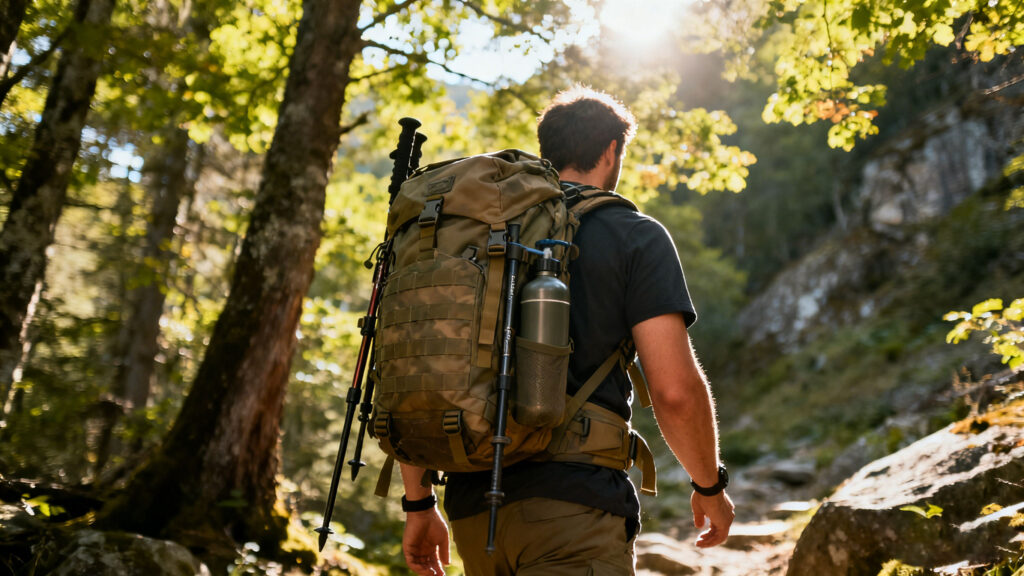
- Day Trips (Hiking/Range Days): Opt for a 20–35L backpack. Prioritize lightweight design, quick-access pockets, and MOLLE webbing for small accessories (mag pouches, hydration bladders).
- Overnight/3-Day Trips: Choose a 35–50L pack. Look for ample storage, a hydration compartment, and a structured design to carry camping gear (tent, sleeping bag, food).
- Bug-Out Bags (72H+ Emergencies): Go for 50–75L. Focus on durability, weather resistance, and modular storage for survival essentials (first-aid kits, water filters, extra clothing).
- Tactical Training/Military/Law Enforcement: Select 40–60L with reinforced load-bearing capacity, MOLLE compatibility, and quick-release features. Prioritize comfort for long wears with heavy gear.
- Everyday Carry (EDC): A 15–25L compact tactical backpack works. Look for discreet design, padded laptop sleeves, and organized compartments for phones, wallets, and EDC tools.
Pro tip: Avoid overbuying a massive backpack for casual use (it’ll be bulky and heavy) or undersizing for multi-day trips (you’ll end up overstuffing and damaging the bag).
2. Prioritize Durable, Weather-Resistant Materials
Tactical backpacks need to withstand abuse—material quality is non-negotiable. Here’s what to look for:
- Cordura Nylon: The gold standard for tactical gear. Resistant to abrasion, tears, and water, it’s ideal for heavy use (military, rugged outdoor trips).
- 600D/1000D Nylon: The most common options. 1000D offers maximum durability (great for bug-out bags or duty use), while 600D balances strength and lightweight comfort (perfect for daypacks).
- Polyester Blends: More affordable and breathable than nylon, but less durable—best for casual EDC or warm climates.
- Weather Resistance: Look for water-resistant coatings (e.g., PU coating) or waterproof membranes (e.g., YKK zippers with storm flaps, taped seams). For extreme conditions, choose a pack with a rain cover (included or compatible).
- Reinforced Stress Points: Double or triple stitching on shoulder straps, zippers, and MOLLE webbing ensures the bag can handle heavy loads without tearing.
Avoid cheap cotton or thin synthetic blends—they’ll fail quickly under pressure (e.g., carrying tools or camping gear).
3. Focus on Comfort: The Right 背负 System (Backpanel & Straps)
A tactical backpack’s 背负 system (suspension system) determines how comfortable it is during long wears—especially when loaded with gear. Key features to evaluate:
- Padded Shoulder Straps: Thick, contoured straps distribute weight evenly across your shoulders. Look for breathable mesh lining to prevent sweating.
- Waist Belt (Hip Belt): Essential for heavy loads (20+ lbs). A wide, padded waist belt transfers 60–80% of the weight from your shoulders to your hips, reducing strain. Ensure it’s adjustable (fits 28–48” waists for most users).
- Backpanel Design:
- Ventilated Backpanels: Mesh or channeled backpanels promote airflow, keeping your back cool and dry (critical for warm climates or long hikes).
- Structured Backpanels: Rigid or semi-rigid backpanels (e.g., aluminum frames) offer better load distribution for heavy gear (ideal for bug-out bags or multi-day trips).
- Chest Strap & Sternum Clip: Prevents shoulder straps from slipping and adds stability during movement (hiking, running, or tactical drills).
Test the backpack with a load (e.g., books, gear) to ensure it doesn’t dig into your shoulders or hips—comfort should never be compromised.
4. Modularity: MOLLE Webbing & Customization
Tactical gear is all about customization—and MOLLE (Modular Lightweight Load-carrying Equipment) webbing is the foundation. Here’s why it matters:
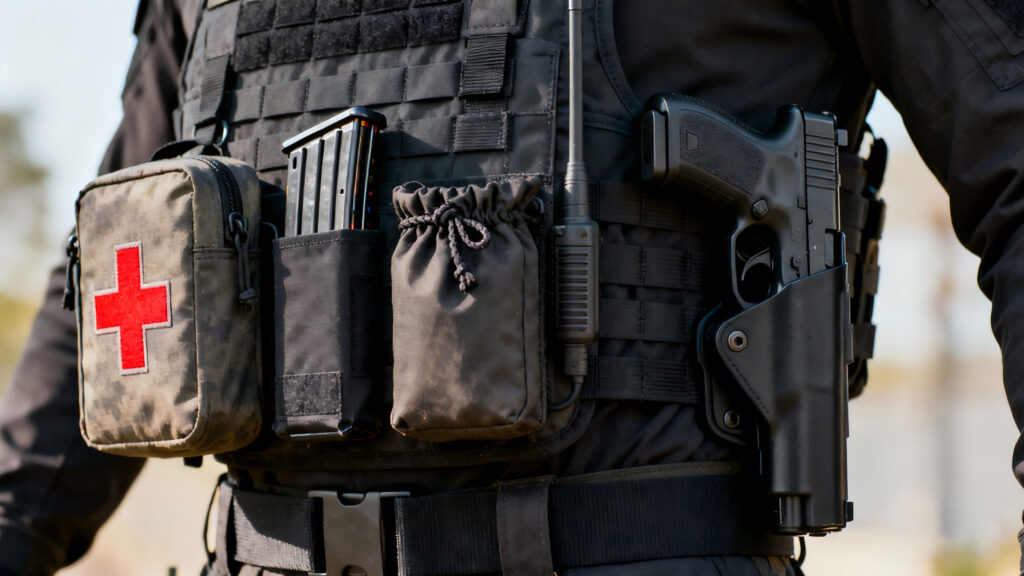
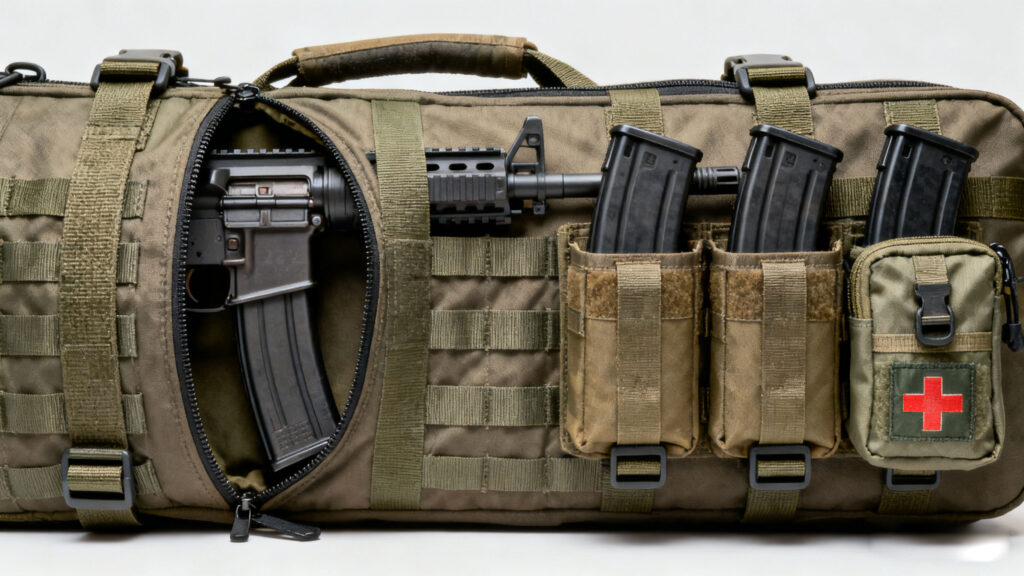
- MOLLE Compatibility: Look for webbing on the front, sides, and back of the backpack. This lets you attach pouches, holsters, hydration carriers, or utility bags (e.g., mag pouches, first-aid pouches, radio holders) to tailor the pack to your needs.
- Quality Webbing: Ensure the webbing is tightly stitched (double stitching) and made of durable nylon—weak webbing will tear when carrying heavy accessories.
- Internal Organization: Even with MOLLE, internal compartments matter. Look for:
- Padded laptop/tablet sleeves (for EDC or work).
- Zippered mesh pockets (for small items like flashlights, multitools, or batteries).
- Hydration bladder compartment (with a tube port) for easy access to water (2–3L capacity is standard).
- Separate compartments for dirty gear or wet clothes (ideal for camping/hiking).
Modularity ensures your backpack grows with your needs—whether you add new gear or switch use cases (e.g., from range days to camping).
5. Evaluate Key Features for Practicality
Beyond the basics, these features elevate a tactical backpack from “good” to “great”:
- Quick-Release System: Critical for emergencies—look for a pull-tab or buckle that lets you drop the backpack in seconds (ideal for tactical training or hiking accidents).
- Zipper Quality: Choose YKK zippers (the industry standard) with large pulls—they’re durable, easy to use with gloves, and less likely to jam. Storm flaps over zippers add weather protection.
- Accessibility: Look for front/side pockets for quick access to frequently used items (e.g., phone, snacks, map). Top-loading packs are great for large gear, while panel-loading (clamshell) designs make it easier to find items at the bottom.
- Weight Capacity: Check the manufacturer’s weight rating (e.g., 40 lbs max load). Don’t exceed it—overloading can damage the backpack or cause discomfort.
- Discreet Design (For EDC): If you’re using the backpack for everyday use, opt for neutral colors (black, coyote brown, olive drab) and minimal branding—avoid overly “tactical” aesthetics if you want to blend in.
6. Set a Realistic Budget (What You Get for Your Money)
Tactical backpacks range from 50 to 400+. Here’s how to budget wisely:
- Budget ( 150): Great for beginners, casual EDC, or occasional use. Expect 600D nylon, basic MOLLE webbing, and essential features (hydration compartment, padded straps). Brands like Condor Outdoor or Tacticon offer solid options here.
- Mid-Range ( 250): The sweet spot for most users. Features 1000D Cordura nylon, reinforced stitching, advanced 背负 systems (ventilated backpanels, padded waist belts), and full MOLLE compatibility. Perfect for regular outdoor use, training, or prepping.
- High-End ($250+): Designed for professionals (military, law enforcement) or serious enthusiasts. Offers premium materials (e.g., 1000D Cordura with waterproof coatings), custom-fit 背负 systems, and advanced features (quick-release, modular internal frames). Brands like 5.11 Tactical, Blackhawk!, or Tiexuebing’s premium line fall here.
Invest in the best you can afford— a high-quality tactical backpack will last 5–10 years, while a cheap one may fail after a few uses.
7. Common Mistakes to Avoid
- Choosing Size Over Function: A 75L backpack sounds versatile, but it’s overkill for day trips and will weigh you down. Pick size based on your use case, not “just in case.”
- Ignoring the 背负 System: Don’t buy a backpack with thin, unpadded straps—even a light load will cause discomfort after an hour.
- Overlooking Weather Resistance: A backpack without water resistance will leave your gear soaked in rain—always prioritize PU coating or a rain cover.
- Sacrificing Durability for Price: The cheapest option may save you money upfront, but you’ll end up replacing it sooner. Spend a little more for 600D+/Cordura nylon.
- Forgetting MOLLE Compatibility: Even if you don’t need extra pouches now, MOLLE lets you customize later—don’t skip it.
Final Thoughts: Choose a Backpack That Works for You
The best tactical backpack isn’t the most expensive or feature-packed—it’s the one that aligns with your use case, fits comfortably, and stands up to your lifestyle. At Tiexuebing, we design tactical backpacks that balance durability, modularity, and comfort—built for real-world use, whether you’re exploring the outdoors or preparing for the unexpected.
Remember: Take time to test the backpack (if possible), check reviews, and prioritize the features that matter most to you. With the right tactical backpack, you’ll have a reliable companion for years to come.Ready to find your perfect tactical backpack? Explore Tiexuebing’s collection of durable, modular options—built for performance, designed for you.