When you hear the term “tactical vest,” you might picture military personnel or law enforcement officers in action. But tactical vests are far more versatile than their rugged reputation suggests—they’re essential gear for outdoor adventurers, shooting sports enthusiasts, preppers, and even casual users seeking organization and utility.
In this article, we’ll demystify tactical vests: what they are, where they came from, the different types available, and why they’ve become a go-to accessory for anyone needing to carry gear efficiently and securely.
1. Defining a Tactical Vest: More Than Just a “Utility Vest”
At its core, a tactical vest is a wearable gear system designed to:
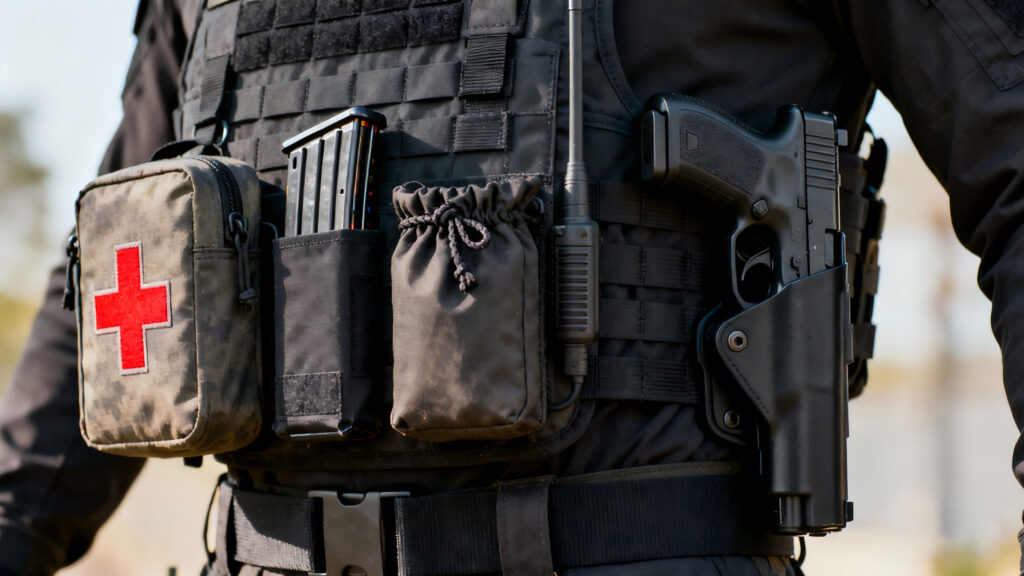
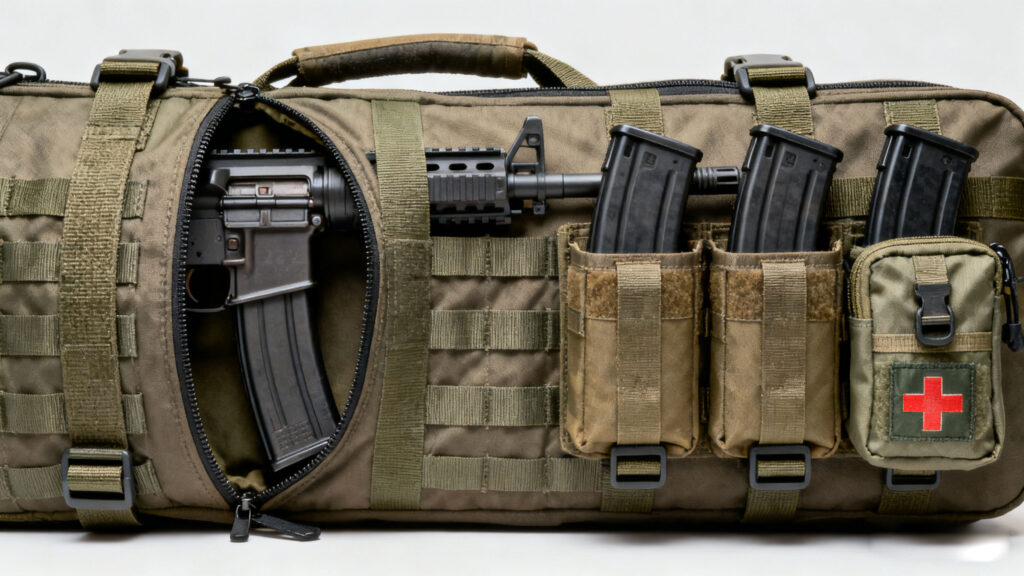
- Organize and store essential items (mags, first-aid kits, radios, phones, etc.) for quick access.
- Distribute weight evenly across the torso to reduce strain during extended wear.
- Offer customization to fit specific needs (via modular attachments).
- Provide basic protection (some models) against debris, minor impacts, or even ballistic threats (specialized versions).
Unlike casual utility vests (e.g., fishing or work vests), tactical vests prioritize durability, load-bearing capacity, and adaptability. They’re engineered for high-performance use—whether that’s navigating rough terrain, training at the range, or responding to emergencies.
2. A Brief History: From Military Necessity to Mainstream Use
Tactical vests trace their roots to military and law enforcement needs:
- Early Origins: In the 20th century, soldiers relied on basic load-carrying equipment (LCE) to transport ammunition and supplies. These were often bulky and lacked customization.
- MOLLE Revolution: The 1990s introduced the MOLLE (Modular Lightweight Load-carrying Equipment) system, developed by the U.S. military. This game-changing design—featuring rows of stitched nylon loops—allowed soldiers to attach pouches and accessories precisely where they needed them.
- Civilian Adoption: As outdoor sports, shooting competitions, and emergency preparedness gained popularity, manufacturers adapted military-style tactical vests for civilian use. Today, they’re widely available in designs tailored to hiking, camping, range days, and everyday carry (EDC).
3. Key Types of Tactical Vests (And Who They’re For)
Tactical vests come in several specialized types, each optimized for specific use cases:
A. Modular Tactical Vests (MOLLE Vests)
- Features: Equipped with full MOLLE webbing on the front, back, and sides. Fully customizable—add mag pouches, hydration carriers, holsters, or utility pockets as needed.
- Best For: Tactical training, shooting sports, law enforcement, and preppers. Ideal for users who need to tailor their gear to changing needs.
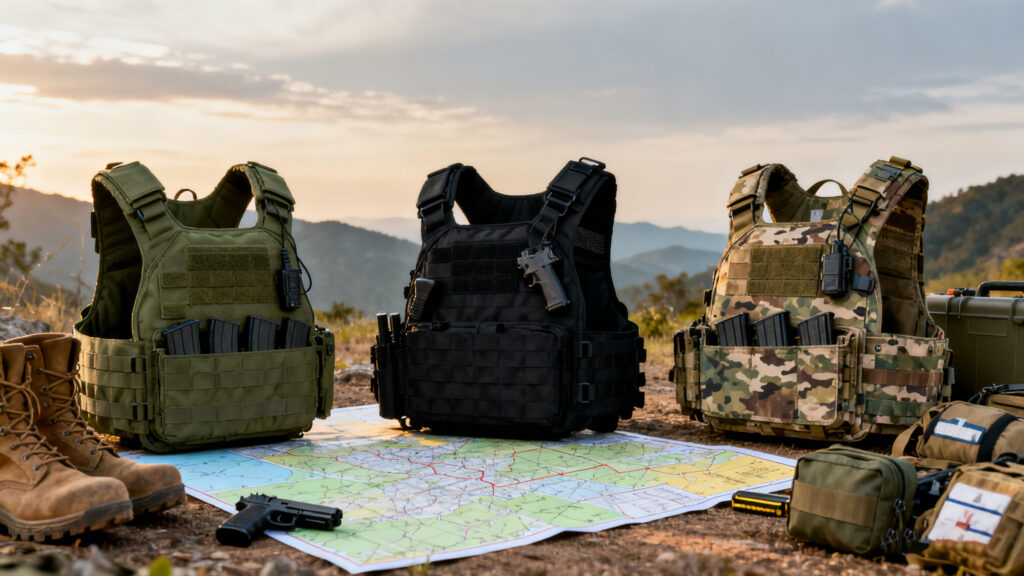
B. Plate Carrier Vests
- Features: Designed to hold ballistic plates (soft or hard) for protection against bullets or shrapnel. Typically low-profile with MOLLE webbing for accessories.
- Best For: Military personnel, law enforcement, security professionals, or anyone needing ballistic protection. Note: Civilian models may require compliance with local laws.
C. Lightweight/Casual Tactical Vests
- Features: Streamlined design with minimal bulk. Often made of breathable 600D nylon or polyester blends, with built-in pockets and limited MOLLE webbing.
- Best For: Hikers, campers, hunters, or casual users. Prioritizes comfort and basic organization over heavy load-bearing.
D. Medical Tactical Vests (Med Vests)
- Features: Specialized pockets for first-aid supplies (bandages, tourniquets, trauma kits). Often brightly colored or marked with “MEDIC” for visibility.
- Best For: Emergency responders, paramedics, or outdoor leaders who need quick access to medical gear.
4. Core Functions: Why Tactical Vests Are Indispensable
What makes tactical vests stand out from regular bags or belts? These key functions:
A. Efficient Gear Organization
Tactical vests eliminate the need to rummage through a backpack or pocket. With dedicated pouches and compartments, every item has a place—mags within easy reach for shooters, hydration bladders for hikers, and radios for professionals.
B. Weight Distribution & Comfort
Unlike backpacks (which concentrate weight on the lower back) or belts (which dig into the waist), tactical vests spread weight across the shoulders and torso. Padded shoulders and adjustable straps further enhance comfort during long wears.
C. Customization & Adaptability
The MOLLE system (found on most tactical vests) lets you add, remove, or reposition accessories. A hunter can attach a game pouch; a prepper can add a survival kit; a range shooter can mount extra mag holders—all on the same vest.
D. Protection (When Needed)
While not all tactical vests are bulletproof, many offer basic protection against scratches, debris, or minor impacts. Plate carriers take this further, providing life-saving ballistic protection for high-risk roles.
5. Common Myths About Tactical Vests (Debunked)
Tactical vests are often misunderstood—let’s clear up some misconceptions:
Myth 1: “Tactical Vests Are Only for Military/Law Enforcement”
False. Civilian tactical vests are designed for outdoor activities, shooting sports, emergency preparedness, and even everyday use. They’re about utility, not intimidation.
Myth 2: “Tactical Vests Are Bulky and Uncomfortable”
Modern tactical vests are lightweight and adjustable. Lightweight models are barely noticeable when worn, and modular designs let you avoid overloading—only carry what you need.
Myth 3: “All Tactical Vests Are Bulletproof”
No. Most civilian tactical vests are for gear storage, not ballistic protection. Plate carriers require separate ballistic plates (sold separately) and are regulated in some regions.
Myth 4: “Tactical Vests Are Overkill for Casual Use”
Not necessarily. A lightweight tactical vest can be invaluable for hikers (storing snacks, maps, and a first-aid kit) or parents (carrying kids’ essentials). It’s all about choosing the right model for your needs.
6. Who Should Use a Tactical Vest?
Tactical vests are useful for anyone who:
- Carries multiple essential items and needs quick access.
- Spends long hours outdoors (hiking, camping, hunting).
- Participates in shooting sports or tactical training.
- Works in roles requiring gear accessibility (security, event staff, outdoor guides).
- Prepares for emergencies (natural disasters, power outages).
Final Thoughts: The Value of a Tactical Vest
A tactical vest isn’t just a piece of gear—it’s a tool that enhances efficiency, comfort, and preparedness. Whether you’re a weekend hiker, a competitive shooter, or someone who values being ready for anything, understanding the purpose and types of tactical vests helps you choose one that fits your lifestyle.
At its best, a tactical vest simplifies your life: it keeps your essentials organized, reduces strain, and adapts to your needs. It’s no wonder they’ve evolved from military necessity to a mainstream accessory for anyone who values utility and readiness.